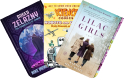
Cyborg
was a book I’d known about since childhood but had never read. Published in 1972, it was one of the first
depictions of cybernetics, as defined by Manfred E. Clynes
and Nathan S. Kline, in their proposed solution for space exploration, though
proto-cyborgs existed in literature going back to the 19th Century.
Martin’s novel is remembered for inspiring
the 70s TV show The Bionic Man, but it also influenced my favorite genre of
science fiction, cyberpunk.
The novel is
highly technical, devoted primarily to the protagonist’s injury and subsequent
cybernetic treatment; it’s not until the last quarter of the book that we see
him in action.
As reads go, it’s a bit
slow and unevenly paced, but its historical importance is undeniable, and I
enjoyed it on that level.
I
first read The Sword of Shannara in the 80s, but, looking back forty
years later, I didn’t distinctly recall the novel and gave it another
read. Sword is a fun read; you’re in for a fantastical adventure.
Sword owes a lot to Tolkien, and some critics have taken umbrage with the novel because of it; I’ve always
loved when artists are inspired by other artists and doubt very much that the
same critics would find fault with Shakespeare for taking inspiration from
Horace.
***50 MILLION TERRY BROOKS COPIES SOLD AROUND THE WORLD***
THE SHANNARA CHRONICLES IS NOW A MAJOR TV SERIES
Volume one in the classic bestselling series - from one of the all-time masters of fantasy
'Terry's place is at the head of the fantasy world' Philip Pullman
Long ago, the world of the Four Lands was torn apart by the wars of ancient Evil. But in the Vale, the half-human, half-elfin Shea Ohmsford now lives in peace - until the mysterious, forbidding figure of the druid Allanon appears, to reveal that the supposedly long dead Warlock Lord lives again.
I picked up this book for a very simple reason: I
had just moved and was furnishing my new apartment from scratch and wanted a
guide for inspiration.
I’ve also loved
Art Deco design since seeing a fading image of the era and its works appear in
many of my favorite science fiction movies and books, from Metropolis to
Bladerunner and The Caves of Steel to Fahrenheit 451.
“Beauty in everyday objects” might briefly describe the movement. Still, there’s more to it than that and Duncan’s book meticulously describes the
period through a variety of media, including architecture, sculpture, painting,
décor, and objet d’art.
The history
around each medium is also fascinating and competes well with the beauty of the
archetypes presented throughout the book.
Art Deco Complete is the last word in Art Deco, the most glamorous decorative arts style, and the one that shaped popular ideas of modern luxury. It covers furniture and interior decoration, sculpture, paintings, graphics, posters and bookbinding, glass, ceramics, lighting, textiles, metal work, and jewelry. It includes the work of all of the important Art Deco designers, from high-style French furniture makers to the creators of the popular "Streamline Moderne" style. And it is, in the spirit of Art Deco, a lavish and attractive book, as well as being authoritative and thorough. This 544-page volume includes more than 1,000…
The perfection of cold fusion and CasiDrive propulsion had lifted humanity into the wider solar system—and widened the gulf between the nameless masses and the sovereign-class wealthy. Into the grey between corporate and criminal walked Cain, a soldat de fortune, who, for the last twenty years, had taken scores and completed contracts for the elites of any world, impenetrable, abstruse, and solitary.
All of that changed one year ago when, after a triste with a former client turned into a romance, Cain’s relationship with Francesca caused him to question how he could walk in her world and survive in his own. The boundaries of their lives then came crashing to Earth when the man whose syndicate they had destroyed returned for revenge. The money behind the man, however, concealed a deeper, more sinister plot, one that threatened Francesca’s life and would challenge Cain to walk the razor’s edge between their two worlds while remaining true to the Ethos of Cain.
Ethos of Cain is the first novel in The Cain Series by Seth W. James.